1
/
of
5
Aidesoranix
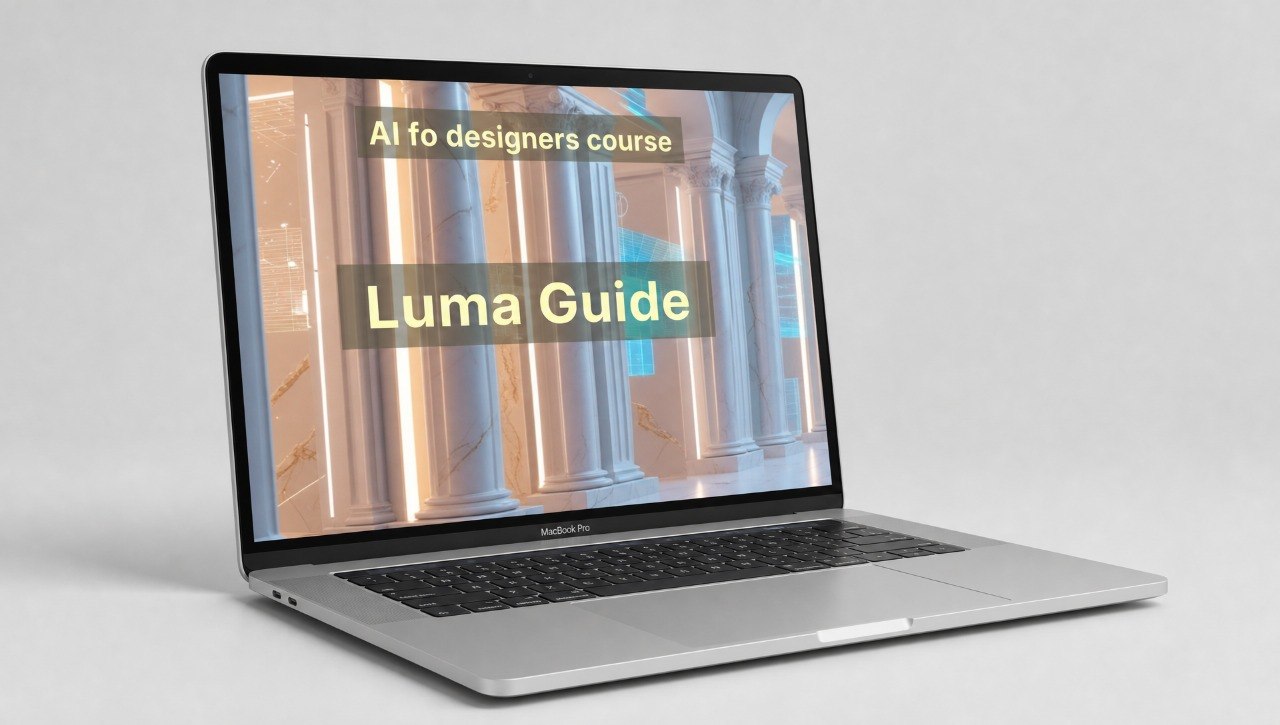
Luma Guide
Luma Guide
Regular price
€247,00 EUR
Regular price
Sale price
€247,00 EUR
Taxes included.
Quantity
Couldn't load pickup availability
- 📁 Digital file available after purchase
- 🗂️ Long-term availability
- 🔐 Secure checkout
- 📝 Content updated in 2026
Colection Progress
Self-paced learning overview
Progress is self-managed based on completed modules.
Self-paced learning overview
1. Problem Statement
In design tasks, it is often important to describe not only the object, but also the feeling of the scene. The problem appears when an AI prompt includes the topic but does not explain light, mood, depth, color logic, or visual focus. In this case, the result may look flat, random, or too general. Designers may find it difficult to describe the atmosphere they imagine in words. Luma Guide was created to help organize this part of the creative process.
2. Solution
Luma Guide explains how to describe light, color, space, and mood in prompts for design tasks. The course helps clarify which words influence atmosphere, how to describe softness or contrast, and how to connect color directions with composition. You will learn to form a complete visual intention rather than simply adding adjectives. The materials show how the same object can look different depending on tone, lighting, and environmental details. This course is for designers who want to make their AI prompts more expressive and carefully planned.
3. What's Inside
- Module 1: Atmosphere Basics — you will learn how to describe the overall feeling of a scene through mood, space, and visual tone.
- Module 2: Light Direction Notes — you will explore how to describe the light source, softness, shadows, contrast, and depth.
- Module 3: Color Mood Language — you will learn how to write color directions without overly complex terminology.
- Module 4: Scene Depth Structure — you will see how to add foreground, middle ground, background, and spatial feeling to a prompt.
- Module 5: Visual Accent Planning — you will review how to define the main visual focus and support it with details.
- Module 6: Mood Variation Practice — you will work with exercises where one idea is described in several different atmospheric directions.
- Module 7: Luma Prompt Sheets — you will receive written structures for describing light, color, mood, and composition.
✅ A good fit if you:
- want to describe light, color, and mood more clearly in AI prompts;
- work with visual concepts, covers, scenes, or atmospheric imagery;
- want to express the feeling of a future design piece more clearly through words;
- already have a basic understanding of AI prompts and want to expand your visual language;
- are looking for a course focused on aesthetics, details, and mood.
- you want a short AI introduction without focus on visual details;
- you expect personal review of every task;
- you want a course about specific programs or platforms;
- you do not plan to complete practical exercises;
- you are looking for materials about technical development, code, or automation.
- How to describe scene atmosphere for design-focused AI tasks.
- How to write directions for light, shadows, contrast, and depth.
- How to connect color, mood, and composition in one prompt.
- How to create several atmospheric versions of one idea.
- How to define the main visual focus and support it with details.
- How to use written structures for describing light, space, and mood.
- After completing the course, you will have your own set of phrases for working with atmosphere, color, and visual tone in design-focused AI prompts.
Luma Guide is a learning course for independent study. The materials are created to help designers better understand how to describe light, color, mood, and space in AI tasks. Payment return conditions for paid plans should be placed on a separate store policy page. The course does not include claims about specific creative, career, or financial results.
How are Aidesoranix courses structured?
How are Aidesoranix courses structured?
Each course includes structured modules, short explanations, practical tasks, and materials for independent learning. Topics are presented step by step so designers can gradually explore AI approaches in the creative process.
Do I need previous AI experience?
Do I need previous AI experience?
No, the courses are suitable for different levels of preparation. Some materials explain the basic logic of working with AI, then move into more detailed design tasks.
Share